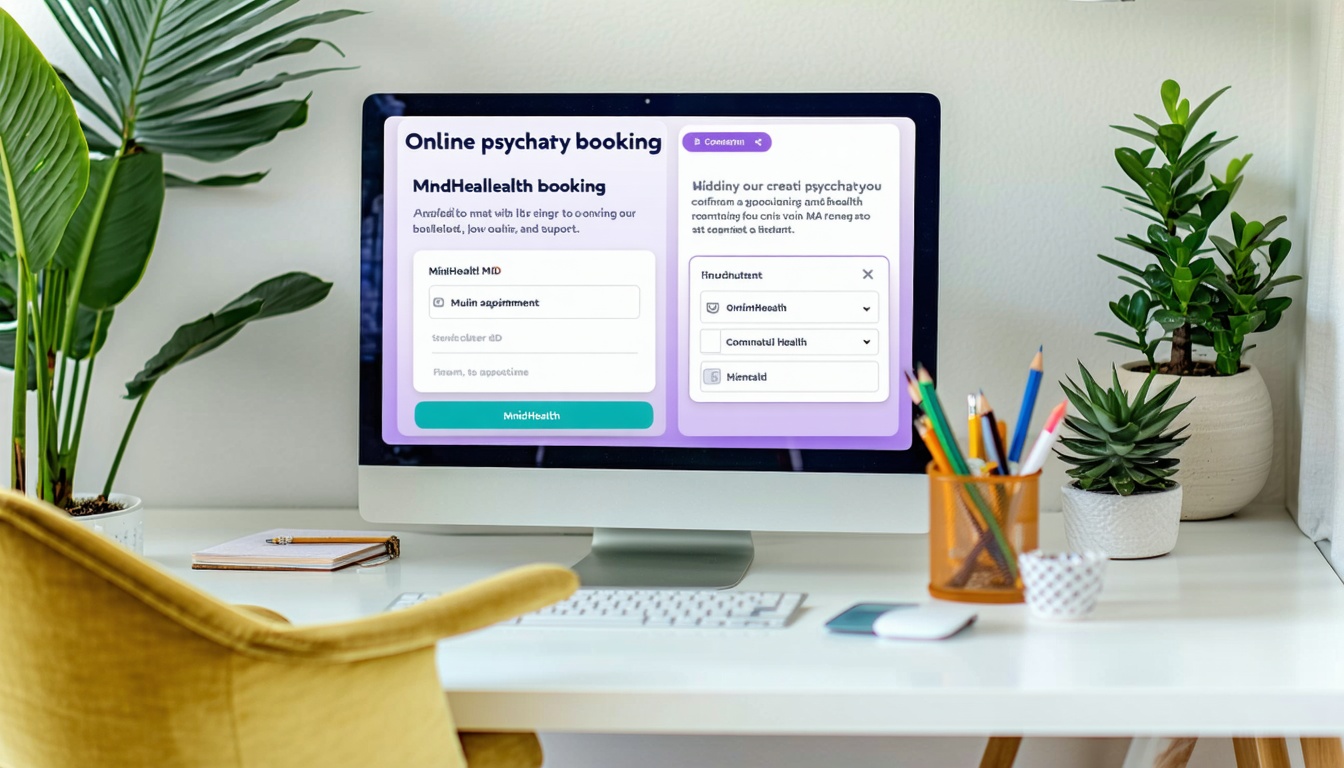

Introduction to TMS Services
Transcranial Magnetic Stimulation (TMS) services have emerged as a leading option for individuals seeking innovative treatments for mental health disorders. This non-invasive therapy provides an alternative for those who may not respond to traditional medication. MindHealth MD stands out as a premier choice for TMS services, ensuring quality care and effective outcomes.
Importance of MindHealth MD
At MindHealth MD, significant emphasis is placed on enhancing patient well-being through advanced TMS treatments. The clinic is dedicated to providing comprehensive care tailored to your individual needs. Whether you are exploring options for tms for treatment resistant depression or seeking solutions for tms for anxiety and panic, MindHealth MD offers knowledgeable professionals equipped to guide you.
mindHealth MD provides a supportive environment that prioritizes your mental health journey. With a focus on personalized assessments and treatment plans, the clinic recognizes the unique challenges that each patient faces.
Key Benefits for Patients
Choosing MindHealth MD for your TMS services comes with numerous advantages:
| Benefit | Description |
|---|---|
| FDA-Approved Technology | The use of FDA-approved TMS equipment ensures safety and efficacy for patients. |
| Individualized Treatment Plans | Each patient receives a customized plan based on their specific diagnosis, including options for tms for bipolar depression and non-invasive depression treatment. |
| Expert Clinicians | The team at MindHealth MD consists of experienced professionals dedicated to mental health, ensuring high-quality care. |
| Accessibility | With options for virtual psychiatry appointments, you can receive care at your convenience. |
| Holistic Approach | Combining TMS with various therapeutic approaches, including psychiatric evaluations, MindHealth MD aims for comprehensive treatment. |
The focus on patient engagement and advanced technology at MindHealth MD makes it an ideal choice for TMS services. For individuals considering alternatives like drug-free depression treatment or exploring the benefits of TMS, MindHealth MD can provide the support necessary for improved mental health outcomes.
The Role of Prenatal Care
Prenatal care is vital for ensuring that both you and your baby have the healthiest possible pregnancy experience. By attending scheduled visits and following recommended protocols, you can help manage your care effectively. Here are the key components involved in prenatal care.
Initial Prenatal Visit
Your initial prenatal visit is an essential step in your healthcare journey. During this appointment, healthcare providers will take time to go over your medical history and discuss any risk factors for pregnancy complications that may be unique to you [1]. This visit also includes calculating your due date, which helps in monitoring your baby’s growth and scheduling tests and procedures at the appropriate times.
| Component | Details |
|---|---|
| Medical history review | Discuss any previous pregnancies, health issues, or concerns |
| Due date calculation | Based on the first day of your last menstrual period |
| Risk factor assessment | Identifying individual concerns to tailor care |
Blood Tests and Screenings
During your first prenatal visit, healthcare providers conduct blood tests to screen for several important health indicators. These tests may check for issues like anemia, blood type, and immunity to infectious diseases [1]. In addition, prenatal tests may be utilized to check for specific fetal genetic disorders, such as Down syndrome, to provide you with valuable information regarding your baby’s health.
| Test Type | Purpose |
|---|---|
| Complete blood count (CBC) | Checks for anemia and overall health |
| Blood type and Rh factor | Determines blood compatibility |
| Infectious disease screening | Tests for immunity and certain infections |
| Genetic screening tests | Identifies potential fetal conditions |
First Trimester Appointments
Your first trimester appointments offer a crucial opportunity to address any concerns, ask questions, and learn how to reach your healthcare team between visits [1]. Regular check-ins are key for monitoring your health and your baby’s development, providing peace of mind throughout the early stages of pregnancy.
Here’s what to expect during these appointments:
| Appointment Focus | Details |
|---|---|
| Monitoring fetal growth | Assessing the development of the baby |
| Addressing your concerns | Discuss any questions about pregnancy or health |
| Health advice and resources | Receiving guidance based on your specific needs |
Understanding the role of prenatal care ensures you are well-prepared to engage in your pregnancy actively. Regular check-ups, thorough screenings, and open communication with your healthcare provider play a crucial role in your overall maternal health and the well-being of your child. For additional mental health support, consider exploring TMS for treatment resistant depression or TMS for postpartum depression.
Understanding Telepsychiatry
Telepsychiatry has emerged as a significant component of mental health services, especially since the onset of the COVID-19 pandemic. It allows individuals to receive psychiatric care through virtual consultations, which can enhance accessibility and flexibility. This section explores the effectiveness of telepsychiatry, patient and clinician satisfaction, and the impact of technology on these services.
Effectiveness Post-COVID
The effectiveness of telepsychiatry has been well-documented, particularly post-COVID. Research indicates that telepsychiatry offers high rates of diagnostic reliability for various psychiatric disorders, such as depression, schizophrenia, and dementia. Studies have shown equivalent reliability between virtual and in-person consultations, making telepsychiatry a viable alternative for many patients [2].
| Disorder | Diagnostic Reliability |
|---|---|
| Depression | Equivalent |
| Schizophrenia | Equivalent |
| Dementia | Equivalent |
Patient and Clinician Satisfaction
High levels of patient satisfaction with telepsychiatry have been reported, with many individuals willing to use the service even during periods of relapse. This is particularly true for children and adolescents, who often find virtual consultations more comfortable [2]. In terms of clinician satisfaction, experiences vary. While initial concerns about therapeutic alliances and data security can pose barriers, many clinicians report an increase in positive perspectives after trying telepsychiatry.
| Satisfaction Level | Patients | Clinicians |
|---|---|---|
| High satisfaction | Yes | Varied |
Impact of Technology
Technology plays a critical role in the effectiveness of telepsychiatry. However, limitations such as audio quality, internet connection issues, and visual quality concerns can impact the clinician’s ability to conduct comprehensive examinations [2]. Addressing these technological barriers is essential to maximize the potential benefits of telepsychiatry.
By understanding these aspects of telepsychiatry, you can make informed decisions about incorporating it into your mental health care plan. Utilizing services like MindHealth MD can help facilitate this process, ensuring you receive the attention and support you need. Check out more about TMS for PTSD, TMS for OCD, and other services to enhance your care.
SOAP Notes in Psychiatry
The SOAP note is an essential tool for practitioners in psychiatry, providing a structured approach to patient documentation. This method enhances communication between clinicians and improves patient care during follow up psychiatry visits.
Subjective Documentation
The Subjective section focuses on the patient’s perspective, capturing their Chief Complaint (CC) and the History of Present Illness (HPI). This information provides valuable context for the clinician, enabling effective diagnosis and treatment planning. It is crucial to gain insight into the patient’s experiences, symptoms, and concerns, ensuring they feel heard and understood.
| Component | Description |
|---|---|
| Chief Complaint (CC) | The main issue the patient presents with. |
| History of Present Illness (HPI) | Details surrounding the CC, including onset, duration, and impact on daily life. |
Objective Findings
The Objective section documents measurable data collected during the patient encounter. This includes vital signs, physical examination findings, and any relevant laboratory results. Accurately distinguishing between subjective descriptions and objective signs aids in creating a comprehensive understanding of the patient’s condition.
| Data Type | Example |
|---|---|
| Vital Signs | Blood Pressure, Heart Rate |
| Observation | Signs of distress, physical demeanor |
| Laboratory Results | Blood test outcomes, imaging results |
Clinical Assessment and Plan
The Assessment section synthesizes the information collected from the Subjective and Objective sections. Here, the clinician analyzes the evidence to arrive at a diagnosis and formulate a problem list. This section is instrumental for creating a treatment strategy based on the patient’s current status and any changes in their condition.
The Plan section outlines next steps for the patient’s care. It details any additional testing needed, referrals to specialists, and treatment options, such as recommending TMS for treatment resistant depression. This structured approach ensures continuity of care and serves as a reference for future clinicians.
| Assessment Information | Plan Components |
|---|---|
| Diagnosed conditions | Diagnostic tests, referrals to specialists |
| Differential diagnosis | Treatment options, follow-up visits |
Utilizing the SOAP note format not only enhances clinician documentation but also significantly improves patient outcomes by promoting a clear and organized approach to mental health care. By employing these structured notes during your follow up psychiatry visit, you ensure that your healthcare provider is well-equipped to make informed decisions regarding your treatment.
Psychoeducation in Psychiatry
Psychoeducation plays a crucial role in enhancing the mental health care experience. It provides valuable information and support to patients and their families, empowering them to manage their conditions effectively. This section focuses on family-based models, psychoeducation for bipolar disorder, and education for substance use disorders.
Family-Based Models
Family-based psychoeducation models have proven effective for individuals coping with severe mental illnesses, especially when patients may lack insight and show reluctance to adhere to medications. These models involve engaging family members in the treatment process, facilitating discussions that promote understanding, empathy, and support among relatives. Research indicates that involving family can significantly improve treatment adherence and outcomes [3].
Education focused on the family’s dynamics can foster a more supportive environment, which is essential for recovery. Key topics include recognizing symptoms, understanding treatment options, and developing effective communication strategies.
| Component | Description |
|---|---|
| Engagement | Involve family members in treatment discussions |
| Education | Teach about the illness and treatments |
| Support | Provide strategies for offering emotional support |
Focus on Bipolar Disorder
Psychoeducation for bipolar disorder has a specific focus on adjusting lifestyle choices to manage the disorder effectively. This education includes:
- Increasing illness awareness: Understanding the nature of bipolar disorder.
- Treatment adherence: Promoting consistent use of prescribed medications.
- Early detection of relapse: Identifying early signs of relapse to intervene promptly.
- Avoiding triggers: Learning to recognize and mitigate situations that may lead to mood fluctuations, such as illegal drug use and sleep deprivation.
Almost half of individuals diagnosed with bipolar disorder discontinue treatment without supervision, making psychoeducation critical for improving long-term management [3].
Substance Use Disorder Education
Psychoeducation for substance use disorder addresses several essential areas:
- Consequences of substance misuse: Educating patients on the impact of drug and alcohol dependence on their lives.
- Family issues: Discussing the effects of dependency on family relationships and dynamics.
- Coping strategies: Teaching methods for dealing with cravings and preventing relapse.
- Adapting to a substance-free life: Helping patients develop a fulfilling lifestyle without reliance on substances.
- Utilizing free time: Encouraging engagement in healthy activities and hobbies to replace substance use.
Through family involvement and focused psychoeducation, patients are better equipped to navigate their recovery journeys, leading to improved mental health outcomes. Learning about the benefits of TMS therapy and considering a tms treatment center can also provide additional support for managing mental health conditions effectively.
Enhancements in Outpatient Visits
In recent years, outpatient psychiatry visits have undergone several enhancements aimed at improving the quality of care for patients like you. Understanding the changes in evaluation and management (E/M) visit coding, medical decision making, and time-based coding is crucial for optimizing your follow-up psychiatry visits.
E/M Visit Coding Changes
Significant changes have been made to the documentation guidelines for outpatient evaluation and management visits, particularly in 2021. The focus for determining visit levels has shifted from the number of history and physical exam elements to medical decision making or time [4]. This simplification reduces the administrative burden on healthcare providers, making your appointment experience smoother.
| E/M Visit Level | Key Focus Areas |
|---|---|
| Level 1 | Straightforward medical decision making |
| Level 2 | Low complexity medical decision making |
| Level 3 | Moderate complexity medical decision making |
| Level 4 | High complexity medical decision making |
Medical Decision Making
Medical decision making is an integral part of your follow-up visit. It consists of three main components:
- Number and Complexity of Problems: Assessing the variety and severity of health issues.
- Data Review and Analysis: Considering additional information such as lab results and past records.
- Risk Assessment: Evaluating potential complications or risks associated with managing your condition.
Each of these components has four levels of complexity: straightforward, low, moderate, and high. The complexity impacts not only the care you receive but also how your provider determines the E/M visit coding [4].
Time-Based Coding for Visits
An alternative to assess the appropriate visit level is through time-based coding. This method includes both face-to-face and non-face-to-face services rendered by the physician on the day of your visit. The calculation of total time is no longer confined to just counseling services [4].
If the time spent exceeds the designated limits for higher-level codes, prolonged visit codes can be utilized. These codes (such as 99417 and G2212) are applied in 15-minute increments to reflect additional time spent on your care.
Understanding these enhancements can lead to better utilization of your outpatient visits, ensuring you receive effective TMS services tailored to your needs. For more information on TMS therapy options such as tms for treatment resistant depression or tms for PTSD, consider scheduling your first time TMS consultation with us.