
Explore TMS therapy
Have you been searching for a treatment option that goes beyond traditional medication for depression or other mental health challenges? If so, you may be ready to schedule TMS treatment. Transcranial magnetic stimulation (TMS) can be a turning point if you or a loved one feels stuck in a persistent mental health rut, despite trying multiple therapies or medications. It is approved by the U.S. Food and Drug Administration (FDA) for major depression, obsessive-compulsive disorder (OCD), migraines, and even smoking cessation when other methods fail [1].
TMS is noninvasive and focuses on stimulating specific areas of the brain that typically have lower activity during depression. With repeated sessions, you may notice a lift in mood and overall vitality. Because of these benefits and minimal side effects, TMS often feels like a breath of fresh air for people who are tired of trying every pill and talk therapy strategy under the sun. Below, you will discover what TMS involves, who it might help, and why MindHealth MD’s approach to TMS could be the boost you have been seeking.
What is TMS?
Transcranial magnetic stimulation uses magnetic pulses to target nerve cells in the brain linked to mood regulation. These pulses are delivered through an electromagnetic coil placed against your head. According to research, many people who undergo a TMS series notice significant improvements in their depression symptoms after four to six weeks of consistent treatment [2]. Although results can vary, some find relief within the first couple of weeks, while others need 20 or more sessions before clearer changes appear.
- Common side effects include mild scalp discomfort, facial muscle twitches, or lightheadedness.
- There is no anesthesia involved.
- You can usually drive yourself home afterward.
Those details alone make TMS appealing if you are busy, want a fairly low-maintenance therapy option, and have found that standard approaches have left you wanting a more profound or faster shift.
Who can benefit from TMS?
Just because TMS is often praised for treatment-resistant depression does not mean it is useful only for those who have depression. It is also equitable for people with OCD, migraines, or as a strategy to quit smoking when other methods have come up short. In addition, TMS could be especially interesting if you:
- Have experienced multiple failed antidepressant trials
- Are dealing with bothersome side effects from psychiatric medications
- Hope to add another layer of treatment to your depression, anxiety, or OCD plan
Since it is safe and has a track record of generally mild side effects, TMS offers a real alternative to invasive procedures. Of course, it is crucial to check with your insurance about coverage. You can also explore in network tms providers or visit insurance accepted psychiatry if you want clarity on what is covered under your plan.
Consider telehealth psychiatry
Let us talk about convenience. Maybe you have to juggle family obligations, or you live in a rural area where seeing a specialist requires a day off from work and a long drive. Telehealth psychiatry meets you wherever you are. With virtual appointments, you can discuss your mood, progress, and medication from your living room or office. This modern approach makes mental health care more accessible and less intimidating.
How it fits your life
Scheduling a telepsychiatry appointment lets you seamlessly fit important conversations about your well-being into your schedule. If you are feeling overwhelmed, you can have a session with a mental health professional from the comfort of your personal space. All you need is a reliable internet connection and a device with a camera. Telehealth:
- Eliminates stressful commutes
- Reduces missed work or family events
- Bridges the gap for patients who live far from specialized care
What MindHealth MD offers
MindHealth MD knows that quality mental health services should fit into your life, instead of the other way around. Our telehealth psychiatry ensures individualized support. Whether you need a quick follow-up chat or a more intensive session, you will find flexible options such as a short term psychiatry session or an adult psychiatry intake appointment. For many of our clients, telehealth is the difference between letting mental health concerns drag on versus getting timely and helpful support.
Discover MAT options
Medication-assisted treatment (MAT) is a form of care that combines medications with traditional therapy to address substance use disorders. For instance, a person struggling with opioid addiction or alcohol dependency might benefit from medications that ease cravings, stabilize mood, or reduce withdrawal symptoms.
Why MAT is a game-changer
A lot of people assume MAT just means more medication on top of what they are already taking. However, MAT is often a strategic, holistic plan that zeroes in on each patient’s unique challenges. By easing cravings or withdrawal discomfort, MAT helps you stay focused on who and what you love, rather than spending every waking moment worried about relapse. It often boosts success rates for long-term recovery and can make therapy more effective because you are more comfortable — physically and mentally.
Common forms of MAT address:
- Opioid addiction (using FDA-approved medications like buprenorphine)
- Alcohol dependence (naltrexone, acamprosate, etc.)
- Other substance use disorders
If you or someone you care about struggles with substance use, consider exploring mat for opioid addiction or mat for alcohol dependency. Starting with a medication assisted treatment plan can help stabilize immediate risks and set a foundation for deeper emotional healing.
MindHealth MD’s approach
At MindHealth MD, we believe that no single intervention solves every mental health or substance use issue. Instead, we combine best-in-class treatments, including MAT, with therapy sessions, lifestyle advice, and supportive follow-ups. Whenever new challenges pop up — like co-occurring anxiety or depression — we can schedule a co occurring disorders treatment session that addresses both issues at once. This comprehensive outlook ensures you always have a flexible plan that adapts to your progress.
Why choose MindHealth MD
You might wonder, “What sets MindHealth MD apart?” By now, you have seen that we deliver telehealth psychiatry, TMS, and MAT services. But it goes deeper than just listing these offerings. We aim to streamline the experience so you feel empowered, not overwhelmed.
Customized care journey
From the moment you reach out, you will sense our commitment to your story, whether you are contacting us about treatment resistant depression care or you simply need a same day psychiatric evaluation. Our team knows that mental health does not exist in a bubble. You might have a history of trauma, additional medical concerns, or past experiences with medications that did not go as planned. We listen carefully, gather all relevant background details, and recommend a plan that is sized perfectly for you.
We also offer varied scheduling options. If you need a quick check-in, you can book a virtual psychiatry session. If you prefer an in-person approach for TMS treatments, we coordinate with local TMS providers. This combination of personalized online support and high-quality clinic-based TMS sessions ensures you get the best of both worlds.
Financial and insurance support
Mental health care can feel like an extra burden if your insurance is confusing or if you worry about unexpected bills. That’s why MindHealth MD is dedicated to making insurance approvals straightforward. Our staff is on hand to help you navigate your coverage, whether you are seeking TMS or simply looking for a typical psychiatric medication management appointment.
- We work with multiple insurance providers
- We deliver information about coverage for TMS, MAT, and telehealth sessions in plain language
- We also offer self-pay options, like a self pay psychiatry session, if that fits your circumstances
The end goal is to remove barriers so that finances never stop you or your loved ones from getting timely mental health care.
Steps to schedule TMS treatment
When you are genuinely curious about TMS, it is wise to learn how the process works, especially if you have never undergone any form of brain stimulation therapy before. There is no need to feel intimidated. Instead, consider a few simple steps that could ease you toward a final, confident decision about TMS.
Check eligibility
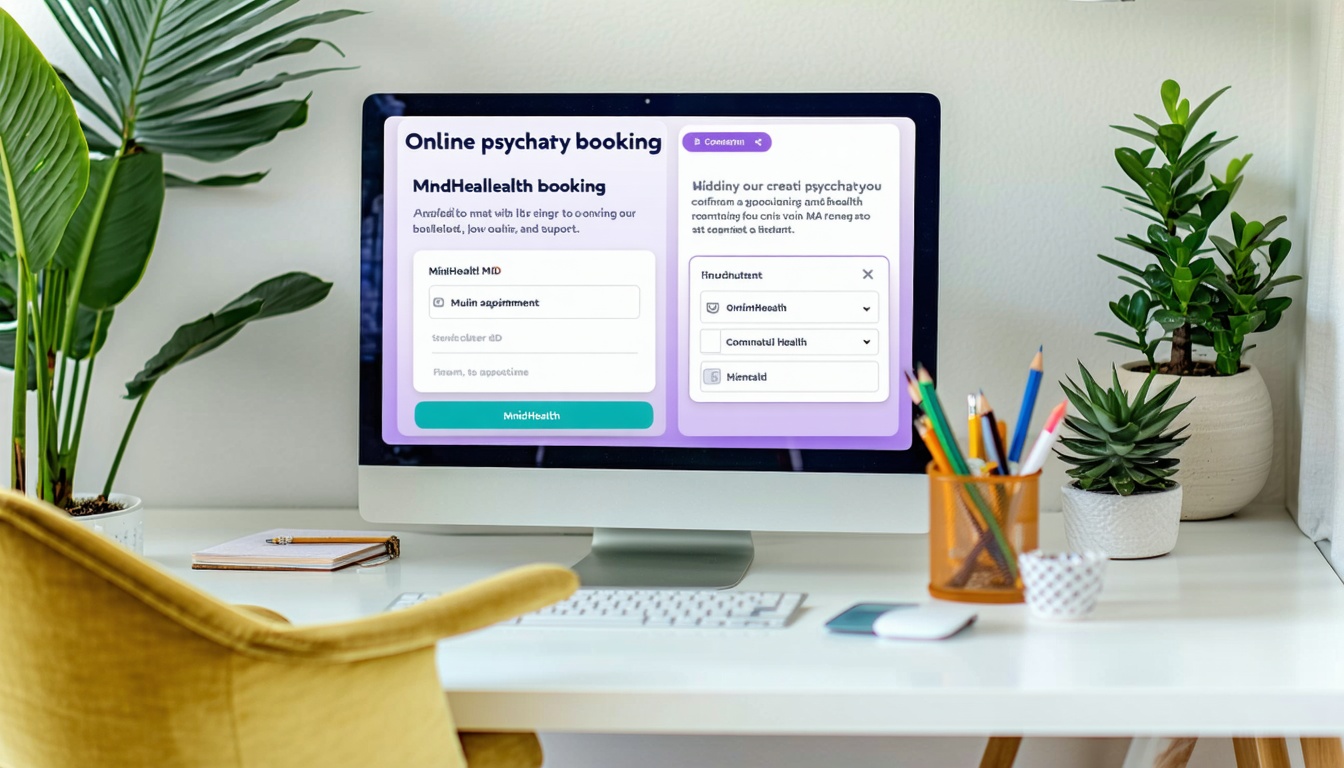
To see if TMS aligns with your needs, start by discussing your medical history with a provider. At MindHealth MD, we might request information on the antidepressants you have tried and any therapy sessions you have had in the past. You will likely undergo a psychiatric assessment, which can be done through an online psychiatry booking if it makes life simpler for you.
- Be honest about all medications you are currently taking
- Mention any past hospitalizations or severe side effects from treatments
- Ask about maintenance TMS if you have chronic depression
If you have insurance, review your plan so you know if TMS for depression is covered (it usually is), while coverage for OCD or smoking cessation might still be evolving [1].
Make your first move
After you have confirmed you are a suitable candidate for TMS, the next step is to set up a treatment schedule. TMS typically requires daily sessions, five times a week, for four to six weeks. Some people might complete around 36 sessions, while others respond faster [2]. Depending on timing and how your insurance coverage is configured, you can coordinate with transcranial magnetic stimulation providers through MindHealth MD. We will discuss your lifestyle, work commitments, and make sure your TMS schedule is manageable.
Keep in mind:
- Early positive results can appear in weeks one to two, but it may take up to week four or five.
- Completing the entire TMS course is usually recommended.
- Many people use TMS alongside existing therapies, such as talk therapy or medication management.
If you notice improvements in mood, that is fantastic. Even if changes develop gradually, sticking to the schedule can help you build momentum for longer-lasting relief. Some individuals continue seeing a therapist or exploring supplemental strategies, like mindfulness or medication tweaks, in parallel.
FAQ
Here are five questions people often ask when contemplating TMS, MAT, or telehealth psychiatry:
-
“Is TMS painful?”
TMS is not typically described as painful. Some individuals report a tapping, tingling, or mild discomfort on their scalp during the session. The sensation can feel unusual at first, but many find it becomes more tolerable after the first few treatments. -
“Will my insurance cover TMS?”
Most insurance plans cover TMS for depression, provided certain requirements are met (like trying a specific number of medications without success). Coverage for OCD or smoking cessation may still be limited, so check your plan details or speak with a MindHealth MD specialist about insurance accepted psychiatry. -
“If I start MAT, will I be on medication forever?”
Not necessarily. MAT is a comprehensive approach that uses medication to reduce cravings, withdrawal symptoms, or other challenges related to substance use. The length of time on MAT depends on your unique needs. Some individuals taper off medication under medical supervision once they achieve stability. -
“Can I do TMS entirely from home?”
No, TMS itself requires specialized equipment only found in clinics or approved treatment centers. However, many of your preparatory or follow-up psychiatry appointments with MindHealth MD can be handled virtually. This lowers your overall travel time and ensures you have frequent check-ins. -
“How do I start if I suspect a loved one needs help?”
Gently talk with them about your concerns, and encourage them to speak with a mental health professional. If they are open to exploring TMS, telehealth, or MAT, you can help them book an immediate psychiatry appointment or share resources like the medication assisted treatment page. Even a small step can make a huge difference for someone feeling isolated by mental health issues.
Wrap up
When you are tired of feeling cornered by mental health challenges, it can help to look for options beyond the usual treatments. TMS therapy has carved out its place as a noninvasive, science-backed approach for depression, OCD, and more. Combined with MAT for substance use support and telehealth psychiatry for convenience, MindHealth MD strives to offer a full spectrum of care that meets you right where you are.
Perhaps the best part is that these services can be woven together for a holistic strategy. You can start with TMS, maintain progress by checking in with your therapist or psychiatrist virtually, and add or adjust medications as needed. If you are considering taking the next step, contact MindHealth MD to schedule TMS treatment, or explore our tms therapy for depression page.
No matter what direction you take, make sure to advocate for your mental health needs. You deserve to feel supported, hopeful, and confident about your future. We are here to help you get there, one session at a time.
References
- (Mayo Clinic)
- (GIA Miami)