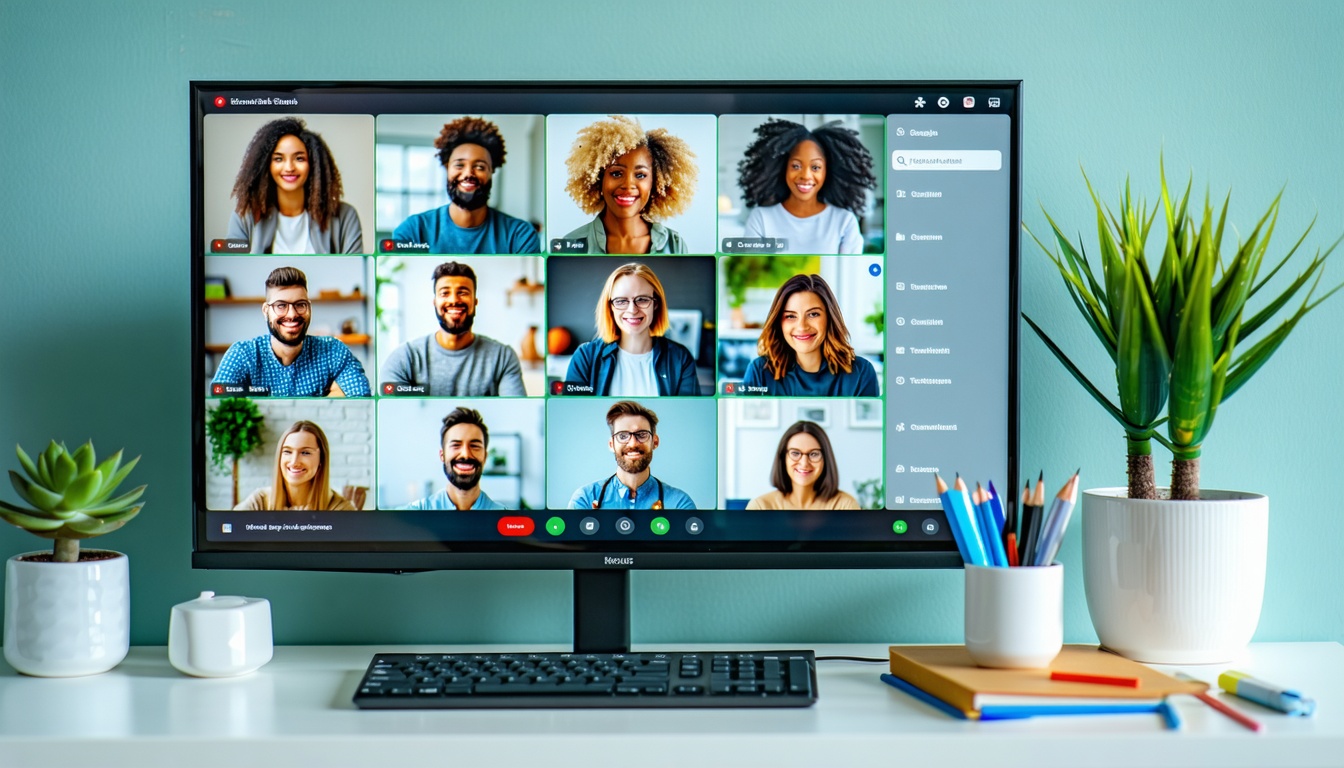

Benefits of Virtual Psychiatry
Virtual psychiatry has revolutionized the way individuals access mental health care, providing numerous advantages that address the needs of patients. Here are some key benefits worth noting.
Increased Access to Care
One of the most significant benefits of virtual psychiatry is the increased access to care it provides. This is particularly important for individuals in rural areas or those who face barriers to transportation. With virtual visits, you can connect with licensed therapists and psychiatrists without the need to travel long distances. This accessibility is crucial for people who find it challenging to visit in-person due to physical limitations or time constraints. The shift toward digital platforms has streamlined the connection between patients and providers, ensuring that help is just a click away. For more information on starting mental health treatment, visit our page on start mental health treatment.
Prompt Services
The convenience of virtual appointments allows individuals to receive prompt services when they need help the most. Many people find that virtual consultations can often be scheduled sooner than traditional in-person visits, which can sometimes have long waiting periods. This accessibility allows you to obtain timely assistance, ensuring that you receive the care you need without unnecessary delays. The efficiency of scheduling virtual appointments has proven to be one of the primary motivations for many patients opting for online mental health services.
| Service Type | Average Wait Time (In-person) | Average Wait Time (Virtual) |
|---|---|---|
| Initial Consultation | 2-4 weeks | 1-2 weeks |
| Follow-Up Visits | 1-2 weeks | 1 week |
Reduction of Healthcare Disparities
Virtual psychiatry has played a vital role in reducing healthcare disparities, particularly for at-risk populations. It has provided opportunities for people who may have previously faced challenges in accessing mental health services due to socioeconomic factors. The shift toward telehealth has allowed mental health care to reach diverse populations, including those living in underserved or remote areas. Studies indicate that patients report high satisfaction levels with telehealth services, demonstrating that virtual care is a viable alternative that maintains treatment effectiveness comparable to in-person consultations. For information on specific TMS services, you can explore our links on TMS for PTSD and TMS for chronic depression.
By embracing virtual psychiatry, you and your loved ones can benefit from these advantages, ensuring that mental health care is more accessible, timely, and equitable than ever before. Exploring these digital options can lead to a more fulfilling and effective treatment journey.
Transition to Virtual Care
Prevalence Post-COVID
The transition to virtual care for behavioral health services has become increasingly common, particularly after the COVID-19 pandemic. Many mental health services have successfully shifted to virtual platforms, and this trend is expected to continue in the future [1]. The pandemic highlighted the need for accessible mental health care, prompting widespread adoption of telehealth solutions.
Surge in Virtual Visits
During the pandemic, there was a significant surge in virtual visits for behavioral health care. This increase not only demonstrated the ability of mental health services to adapt to changes but also highlighted how effective telehealth could be in delivering care. Patients reported higher attendance rates for online appointments compared to in-person visits, making teletherapy a convenient option [2]. The number of virtual visits surged as many chose this format for its ease and immediacy.
| Year | Total Virtual Visits (Millions) |
|---|---|
| 2019 | 50 |
| 2020 | 150 |
| 2021 | 100 |
| 2022 | 200 |
Evidence of Effectiveness
The effectiveness of virtual psychiatry appointments has been strongly supported by patient reports and research findings. Studies indicate that treatment outcomes from telehealth are comparable to traditional in-person sessions. Patients maintain strong therapeutic alliances with their providers, which is crucial for effective treatment [1]. The convenience of teletherapy is not just a matter of accessibility; it has shown to be a successful avenue for helping individuals manage their mental health needs.
In summary, the transition to virtual care has led to increased access to mental health services, a significant rise in virtual visits, and evidence supporting the effectiveness of teletherapy as a viable alternative to in-person appointments. Embracing this innovative format can provide you or your loved ones with essential support through platforms like MindHealth MD, where you can explore options such as transcranial magnetic stimulation therapy for various conditions.
Teletherapy Popularity
Teletherapy has become increasingly popular for individuals seeking mental health support. It offers numerous benefits, particularly in terms of convenience, cost, and effectiveness.
Convenience and Cost
One of the primary reasons for the rise in teletherapy popularity is its convenience. Virtual psychiatry appointments allow you to connect with your therapist from the comfort of your home. This eliminates the need for travel time, waiting rooms, and geographical barriers. Many patients also find that teletherapy can be more affordable than traditional in-person sessions, making it an accessible option for those seeking mental health care.
The following table summarizes key aspects of cost differences between teletherapy and in-person therapy:
| Aspect | Teletherapy | In-Person Therapy |
|---|---|---|
| Average Session Cost | $60 – $100 | $80 – $150 |
| Travel Expenses | None | Variable (gas, parking) |
| Flexibility of Scheduling | High (various remote options) | Moderate (limited by office hours) |
Effectiveness Comparison
Research shows that teletherapy is just as effective as face-to-face therapy for many individuals. A study indicated that patients and clinicians perceive both formats as equally effective, with teletherapy often yielding higher attendance and completion rates. Ultimately, your commitment to engaging in therapy is a crucial factor in achieving positive outcomes regardless of the mode of delivery.
For a detailed comparison of virtual therapy versus in-person sessions, see our transcranial magnetic stimulation therapy.
High Satisfaction Levels
Satisfaction rates among patients utilizing teletherapy have been notably high. Many report feeling more comfortable during virtual sessions, which can contribute to better overall therapeutic alliances. A study indicated that patients found telehealth services convenient while also appreciating the continuity of care [1]. With the ongoing demand for convenience and accessibility in mental health services, teletherapy is likely to remain a viable option for many.
If you or a loved one are exploring mental health support options, consider scheduling a teletherapy session today. Embracing modern approaches such as teletherapy can lead to improved mental well-being, offering both flexibility and effectiveness in your treatment journey.
Telepsychiatry Advantages
Telepsychiatry provides a variety of benefits, making it an appealing choice for individuals seeking mental health care. Here, we will discuss the psychiatric services offered, the effectiveness of treatment, and the accessibility across various settings.
Psychiatric Services Offered
Telepsychiatry encompasses a broad spectrum of psychiatric services. It allows you to receive care through secure video or audio-only communication, ensuring that sensitive medical information is exchanged safely. The most common services provided include:
- Psychiatric Evaluations: Comprehensive assessments to diagnose mental health conditions and create treatment plans.
- Therapy: Individual and group counseling to address mental health challenges.
- Patient Education: Information on mental health conditions and treatment options.
- Medication Management: Ongoing support in medication adherence and adjustments.
These services can be accessed conveniently from your home or other preferred locations [3].
Effectiveness in Treatment
Research shows that telepsychiatry is as effective as in-person care. It achieves equivalent results in terms of diagnostic accuracy, treatment effectiveness, quality of care, and patient satisfaction. Telepsychiatry has proven particularly beneficial for conditions like:
- PTSD: Effectively managing symptoms through specialized treatment protocols.
- Depression: Offering various therapeutic approaches to alleviate symptoms.
- ADHD: Providing tailored interventions to improve focus and behavior.
With reliable outcomes, you can trust that your virtual psychiatry appointment will deliver the same quality of care you would receive during an in-person visit.
Access in Various Settings
One of the standout features of telepsychiatry is its versatility. Services can be delivered in many different environments, ensuring that quality care is available wherever you might be. Common settings include:
- Patients’ Homes: Comfortably receive care without the need to travel.
- Outpatient Clinics: Provide convenient access for therapy and follow-ups.
- Hospitals: Support for acute care situations.
- Correctional Facilities: Offering necessary mental health support within the system.
- Schools and Nursing Homes: Ensuring education and elder care facilities can attend to mental health needs.
- Military Treatment Facilities: Specialized care for service members.
By allowing psychiatrists to see patients in these varied locations, telepsychiatry addresses barriers to access and expands care to broader populations [3]. Consider using a trusted service provider like MindHealth MD for your transcranial magnetic stimulation therapy needs to further enhance your treatment journey.
Privacy and Security Concerns
In a virtual psychiatry appointment, privacy and security are paramount considerations. Various factors can impact the confidentiality and safety of your telehealth experience. It is essential to recognize these concerns so that you can take steps to protect your information and ensure a successful session.
Risk Factors
Several risk factors are associated with privacy and security in telehealth practices. Vulnerable populations may find it difficult to share sensitive health information remotely due to environmental challenges, such as the lack of private space. Healthcare professionals have become increasingly aware of obstacles, including the necessity of performing physical examinations and navigating reimbursement parity. Difficulties can arise from differences in state licensure and regulations, leading to increased concerns about the privacy of patient information.
| Risk Factor | Description |
|---|---|
| Environmental | Lack of private space for sensitive discussions. |
| Telehealth Obstacles | Issues with state regulations and physical examinations. |
| Vulnerable Populations | Difficulty in accessing and utilizing technology. |
Technology Factors
Technology also plays a significant role in the privacy and security of telehealth appointments. Data security issues, such as hacking during video visits, present serious risks. Access to technology can be limited by the availability of reliable internet connections, digital devices, and understanding of how to use these tools effectively. The digital literacy of both patients and providers is crucial to ensuring successful and safe virtual interactions [5].
| Technology Factor | Description |
|---|---|
| Data Security | Risks associated with hacking during telehealth visits. |
| Internet Access | Limited access affects the ability to conduct secure sessions. |
| Digital Literacy | Knowledge and skills in using technology may vary widely. |
Operational Factors
Operational factors are essential to consider as they influence the overall security and functionality of telehealth services. Issues relating to reimbursement and payer denials for telehealth services pose challenges for healthcare providers. Additionally, accessibility to technology for all patients is a significant concern. Staff training, education, and the maintenance of devices and software are vital to ensuring effective operational practices in telehealth.
| Operational Factor | Description |
|---|---|
| Reimbursement Issues | Challenges in securing payment for telehealth services. |
| Accessibility | Ensuring technology is accessible for all patients. |
| Staff Training | Importance of training healthcare providers to use technology effectively. |
Understanding these privacy and security concerns can help you navigate the process of virtual psychiatry appointments effectively. By being informed, you can better advocate for your needs and ensure that you receive the right support through services like transcranial magnetic stimulation therapy or other mental health treatments.
Medicare Telehealth Services
Medicare has expanded its telehealth services, making it easier for you or your loved one to access mental health care, including TMS therapy. Understanding the specific services available can help you take advantage of this opportunity for virtual treatment.
Virtual Check-Ins
Virtual check-ins under Medicare allow you to communicate with your healthcare provider through digital communication methods, such as phone calls or video chats. These short, non-face-to-face sessions are designed for quick follow-ups without requiring an in-person visit. This service is particularly beneficial for those managing ongoing mental health issues, as it enables you to seek care promptly without the need for extensive travel.
| Service Type | Duration | Purpose |
|---|---|---|
| Virtual Check-Ins | 5-10 minutes | Quick follow-ups and medical advice |
E-Visits
E-visits are another significant aspect of Medicare’s telehealth services. These online consultations are intended for patients who require non-urgent medical consultations. Through a secure patient portal, you can submit your symptoms or concerns to your psychiatrist, who will then respond through the platform. E-visits are ideal for minor issues or ongoing management of conditions such as depression or anxiety, allowing you to receive care from the comfort of your home.
| Service Type | Duration | Purpose |
|---|---|---|
| E-Visits | Varies | Non-urgent consultations via a secure patient portal |
Access to Specific Services
With the expansion of telehealth services, Medicare also provides access to specific mental health services that you may need. This includes comprehensive psychiatric evaluations and ongoing care for conditions that benefit from TMS therapy. This approach enhances accessibility, especially for those who have difficulty traveling to appointments due to health or mobility issues.
| Service Type | Description |
|---|---|
| Psychiatric Evaluation Appointment | Comprehensive assessment for mental health conditions and treatment planning |
| TMS Therapy Consultations | Evaluation and consultation for transcranial magnetic stimulation therapy |
These services are instrumental in making mental healthcare more accessible. For individuals seeking alternatives to traditional medications, exploring TMS for depression can be particularly beneficial. Be sure to check whether your insurance covers these services, which is often a pivotal factor in selecting a treatment pathway.