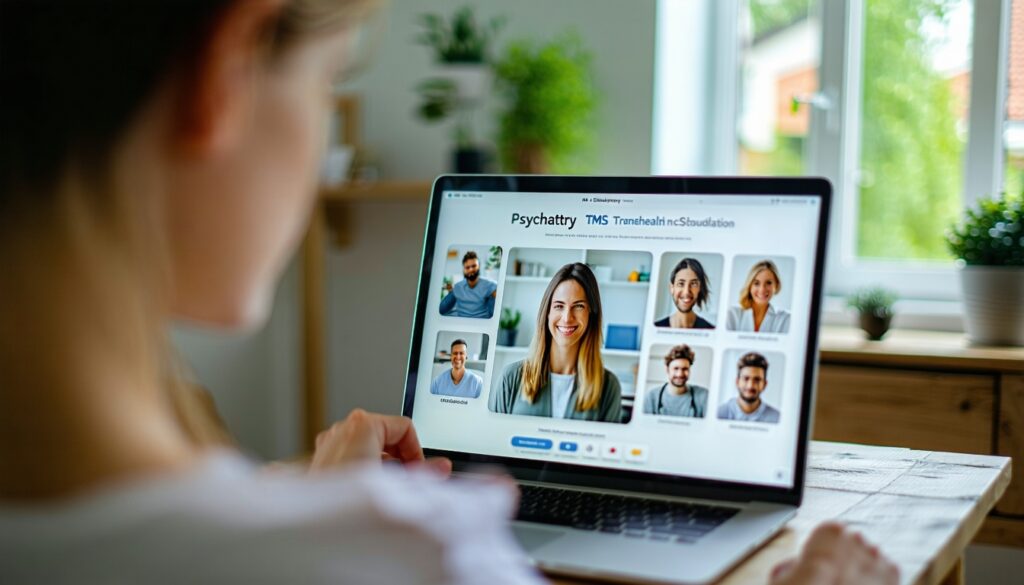
Advantages of Telehealth Psychiatry
Telehealth psychiatry offers numerous benefits, making it an attractive option for individuals seeking mental health services. This modern approach to psychiatric care allows you to access assistance from the comfort of your home, eliminating barriers that often hinder traditional treatment.
Access to Care Anywhere
The ability to access psychiatric support from anywhere is one of the most significant advantages of telehealth services. You are no longer restricted by geographical limitations or local provider availability. This increased accessibility greatly benefits individuals who may have challenges such as:
| Barriers | Description |
|---|---|
| Travel Time | Telehealth eliminates the need for travel, saving you valuable time. |
| Costs | You can avoid transportation costs or lost wages from taking time off work. |
| Mobility Issues | Those with physical limitations can easily engage in therapy without the hassle of traveling. |
| Rural Access | Residents in rural areas can connect with qualified professionals who may not be available locally. |
Telehealth platforms broaden the scope of available care, catering to your unique mental health needs [1]. This flexibility ensures that you can find the right care at the right time.
Tailored Mental Health Services
Telehealth also allows for tailored mental health services designed to meet your specific needs. You can choose providers based on your preferences, such as:
- Specialization: Finding a psychiatrist with experience treating your specific condition, such as TMS for OCD or TMS for treatment resistant depression.
- Flexibility: Scheduling appointments that fit into your busy life, increasing the likelihood of consistent attendance.
- Comfort and Convenience: Engaging in therapy from a familiar environment may lead to increased comfort and openness.
The anonymity and privacy offered through telehealth can further reduce stigma associated with seeking mental health care, enhancing your willingness to pursue treatment.
Whether you are seeking an initial consultation or ongoing support, telehealth psychiatry opens the door to effective, patient-centered care rooted in your personal mental health journey.
Efficiency of Telehealth Platforms
Telehealth platforms have transformed the way you access psychiatric services. With their ability to enhance efficiency, they offer flexible scheduling options and reduced wait times—critical elements for ensuring timely mental health care.
Flexible Scheduling Options
One of the standout features of telehealth psychiatry is the flexibility it offers in scheduling appointments. Telehealth platforms often allow for extended hours and even weekend appointments, accommodating your busy lifestyle. This flexibility helps ensure that sessions start on time, minimizing the inconvenience often associated with in-person visits. You can easily find a time slot that works for you without the hassle of traveling to a clinic, leading to increased access to mental health services.
| Scheduling Feature | Description |
|---|---|
| Extended Hours | Sessions available during evenings and weekends |
| No Travel Required | Access services from home or anywhere convenient |
| Timely Sessions | Reduces delays and improves punctuality |
Reduced Wait Times
Another significant advantage of using a psychiatry telehealth service is the potential for reduced wait times. Traditional psychiatric services often struggle with lengthy waiting periods, leaving you feeling anxious or unmotivated to seek help. Telehealth services can alleviate this issue by allowing clinicians to manage their time more effectively, enabling them to treat more patients in a timely manner.
Research indicates that the shift to telepsychiatry has led to a more efficient care process, allowing many individuals to receive timely treatment, especially during the COVID-19 pandemic when in-person appointments were limited [3].
| Wait Time Improvement | Description |
|---|---|
| Shorter Wait Times | Quicker access to appointments compared to traditional methods |
| High Demand Management | Psychiatrists can accommodate more patients effectively |
These efficiency benefits of telehealth platforms make them an ideal choice for anyone seeking psychiatric care. If you’re considering options for TMS services, exploring platforms for psychiatric telehealth may be a valuable step in your mental health journey. For more information, visit our sections on transcranial magnetic stimulation therapy and TMS treatment center.
Personalized Care Model
Telehealth psychiatry services, such as those offered by MindHealth MD, prioritize a personalized care model designed to meet the unique needs of each patient. This model incorporates a comprehensive wellness approach alongside patient-centered treatment, ensuring that you receive the highest level of care tailored just for you.
Comprehensive Wellness Approach
The comprehensive wellness approach in telepsychiatry expands access to mental health care, allowing you to receive treatment for a range of psychiatric conditions without the geographical limitations often found in traditional settings. Telehealth services provide diagnostic reliability equivalent to in-person care, which is crucial for accurately addressing your needs. Research shows that telepsychiatry achieves high levels of patient satisfaction for various mental health disorders, including PTSD, depression, and ADHD [4].
| Key Features | Benefits |
|---|---|
| Access to a range of treatments | Helps in managing multiple psychiatric conditions |
| Diagnostic reliability | Similar effectiveness to traditional in-person visits |
| Increased patient satisfaction | High levels of satisfaction across demographics |
Patient-Centered Treatment
Through live, interactive communication, telepsychiatry promotes direct interactions between psychiatrists and patients. This enables the delivery of personalized care tailored to your specific needs, such as psychiatric evaluations, therapy, patient education, and medication management. The ability to customize treatment strategies ensures you receive the most effective interventions.
This focus on patient-centered treatment allows for greater flexibility in adjusting care plans based on your progress and feedback. MindHealth MD’s telehealth services integrate ethical guidelines and regulations to maintain privacy while providing high-quality mental health care, ensuring that you are not just a number but rather an individual with unique needs.
Utilizing a personalized approach means that you can gain access to treatments such as transcranial magnetic stimulation therapy or explore alternatives like non-invasive depression treatment, making it an ideal choice for anyone seeking to enhance their mental health journey.
Ethical Considerations in Telepsychiatry
As telehealth continues to evolve, ethical considerations play a crucial role in its effectiveness and acceptance. The benefits of utilizing a psychiatry telehealth service extend to increased access, flexibility, and important privacy concerns that need to be addressed for optimal patient care.
Increased Access and Flexibility
One of the primary ethical arguments for telepsychiatry is the increased access to care it provides. Telehealth offers a convenient alternative for those in remote locations, ensuring they receive the mental health support they need [5]. This service availability and flexibility enhance patient satisfaction, as they can engage with mental health professionals from the comfort of their own homes.
Through telehealth, individuals who may have previously faced barriers to receiving care—such as geographic limitations or time constraints—now have more options. This empowerment encourages patients to seek help without the pressures associated with in-person visits. Data indicates that patients receiving telehealth treatment report similar satisfaction levels compared to those receiving face-to-face care, with no significant difference in outcomes like depressive symptom reduction [5].
Privacy and Confidentiality Concerns
Privacy and confidentiality are paramount in mental health treatment, and telepsychiatry offers enhanced protections. Online psychotherapy can provide anonymity, which can mitigate the stigma often associated with seeking mental health services. This element of privacy can increase the likelihood of individuals reaching out for help.
Furthermore, telepsychiatry platforms typically employ sophisticated security measures to ensure that patient information remains confidential. Patients are more likely to engage with mental health services when they feel secure about their personal information being protected. Studies show that trust in the confidentiality of telehealth services positively influences patient compliance and engagement.
Overall, the ethical considerations in telepsychiatry, particularly regarding access and privacy, underscore its potential as a valuable alternative to traditional in-person psychiatric services. For those looking for effective treatments like transcranial magnetic stimulation therapy, telehealth can provide an accessible and private platform to begin their journey to recovery. If you want to learn more about various treatment options, consider exploring our articles on TMS for treatment-resistant depression and other non-invasive depression treatments.
Effectiveness of Telepsychiatry
The effectiveness of telepsychiatry has gained significant attention, especially in light of the recent global need for adaptable mental health services. As you consider the benefits of our psychiatry telehealth service, it’s important to understand how telehealth compares to traditional in-person care in terms of diagnostics and treatment efficacy.
Diagnostic Equivalency to In-Person Care
Research has shown that telehealth treatment is as effective as in-person mental health treatment for individuals seeking intensive care. During the COVID-19 pandemic, studies indicated that there were no significant differences in depressive symptom reduction between those receiving telehealth services and those attending in-person consultations. Both groups experienced substantial improvements in their overall quality of life. This highlights that telepsychiatry is a viable alternative to conventional sessions, offering comparable diagnostic capabilities and outcomes.
| Aspect | Telehealth | In-Person |
|---|---|---|
| Symptom Reduction | No significant differences | No significant differences |
| Quality of Life Improvement | Significant increases reported | Significant increases reported |
Treatment Efficacy and Patient Satisfaction
Alongside diagnostic equivalency, the treatment efficacy of telepsychiatry aligns closely with that of face-to-face services. Patients using telehealth platforms reported similar levels of satisfaction and perceived benefits. They found that accessing care remotely provided them the flexibility and comfort they needed, particularly during challenging times.
The key factors contributing to the effectiveness of our telepsychiatry service include:
-
Accessibility: You can receive mental health support from the comfort of your home, eliminating barriers such as transportation and time constraints.
-
Continuity of Care: Regular follow-ups are easier to schedule, facilitating consistent treatment without interruptions.
-
Personalized Attention: Through our virtual platforms, you will receive tailored services designed to meet your specific mental health needs.
In summary, the effectiveness of telepsychiatry compared to traditional methods is well-documented. Our psychiatry telehealth service provides an excellent option for those seeking quality mental health care. For more information about our telehealth offerings, including transcranial magnetic stimulation therapy options, please explore our resources.
Evolution of Telepsychiatry
The evolution of telepsychiatry has been shaped by technological advances and a growing need for accessible mental health services. Understanding its historical development and modern utilization can help you appreciate the significance of services like ours.
Historical Development
Telepsychiatry traces its origins back to 1959, when experiments were conducted in the USA using live video-conferencing for patients and medical students. The term “telepsychiatry” was first coined in 1973, marking the beginning of formal recognition in this field. Despite this early progress, interest in telepsychiatry waned for about two decades following the initial establishment of a clinical system between a teaching hospital and a rural clinic in Nebraska in the early 1970s. It wasn’t until the 1990s that a notable increase in published research on telepsychiatry began to emerge [6].
| Year | Milestone |
|---|---|
| 1959 | First experiments using video-conferencing |
| 1973 | Coining of the term “telepsychiatry” |
| Early 1970s | First clinical system established in the USA |
| 1990s | Surge in published research on telepsychiatry |
Modern Utilization and Expansion
Fast forward to the 21st century, telepsychiatry has rapidly grown, particularly during the COVID-19 pandemic. In December 2019, India reported having 718.74 million internet subscribers, making telepsychiatry a viable option in regions with limited mental health care resources [7]. The World Health Organization’s third Global Survey on eHealth revealed that 34% of its member states offered telepsychiatry services, with 25% identified as established services.
In India, the Schizophrenia Research Foundation (SCARF) introduced telepsychiatry services in 2004. Since then, these services have evolved, employing both synchronous and asynchronous models to effectively provide mental health support across various regions. This demonstrates the potential of telepsychiatry to bridge the gap in mental health services, particularly in underserved areas, making it an important consideration for anyone seeking psychiatric support.
For more information on our psychiatry telehealth service, click through to learn how you or a loved one can benefit from technology-driven treatment options.