
Understanding Anxiety Disorders
Anxiety disorders can significantly impact your daily life. It’s vital to understand how these conditions are diagnosed and the various treatment approaches available. Consulting a qualified psychiatrist is a crucial step in managing your anxiety.
Diagnosis by Psychiatrists
A psychiatrist plays a key role in diagnosing anxiety disorders. They specialize in identifying mental health conditions and can evaluate the severity of your anxiety. During a consultation, a psychiatrist will perform a thorough physical examination and consider several factors, including your lifestyle, medications, specific illnesses, and substance use such as coffee and alcohol. They will also look for any physical symptoms of anxiety [1]. While psychologists can also diagnose anxiety and provide counseling, a psychiatrist may offer a more comprehensive approach due to their medical training.
| Diagnostic Factor | Description |
|---|---|
| Physical Examination | Assessing physical symptoms related to anxiety. |
| Lifestyle Review | Evaluating daily habits that may contribute to anxiety. |
| Medication History | Reviewing current and past medications affecting mental health. |
| Substance Use | Considering the impact of substances like caffeine and alcohol. |
Treatment Approaches
Once diagnosed, effective treatment options are crucial for managing anxiety. Psychiatrists often recommend a combination of psychotherapy and medication, which has been shown to provide the best outcomes. One common therapeutic technique is Cognitive Behavioral Therapy (CBT), which is recognized as the most effective form of psychotherapy for anxiety disorders [2].
In addition to traditional therapy and medications, a psychiatrist may suggest lifestyle modifications and support groups, further enhancing the overall treatment plan. Consulting with a psychiatrist for anxiety ensures that you receive tailored support to meet your specific needs, making it an essential step in your mental health journey.
Psychotherapy for Anxiety
Psychotherapy plays a crucial role in managing anxiety disorders. It allows individuals to explore their thoughts, emotions, and behaviors in a safe environment. Two common approaches in psychotherapy for treating anxiety are Cognitive Behavioral Therapy (CBT) and lifestyle modifications.
Cognitive Behavioral Therapy
Cognitive Behavioral Therapy (CBT) is widely recognized as the most effective form of psychotherapy for anxiety disorders. According to the Mayo Clinic, CBT focuses on teaching specific skills to manage symptoms and gradually encourages individuals to return to activities they may have been avoiding due to anxiety.
CBT includes various techniques such as:
- Cognitive restructuring: Identifying and challenging negative thought patterns.
- Exposure therapy: Gradually facing anxiety triggers to build confidence and reduce avoidance behaviors.
- Skill development: Learning coping mechanisms and problem-solving skills.
Research indicates that CBT has a high level of evidence as a treatment for anxiety disorders, significantly improving the quality of life for those affected [3]. This approach can be combined effectively with medications for a comprehensive treatment strategy.
| CBT Technique | Description |
|---|---|
| Cognitive restructuring | Identify and change negative thoughts |
| Exposure therapy | Gradual exposure to anxiety triggers |
| Skill development | Learn coping strategies |
Lifestyle Modifications
While psychotherapy and medications are essential for managing anxiety, lifestyle changes can also have a positive impact. Modifications in daily habits can help reduce anxiety symptoms. Some beneficial lifestyle changes include:
- Regular exercise: Physical activity releases endorphins, which can improve mood and reduce anxiety.
- Healthy diet: A balanced diet rich in nutrients can help support overall mental health.
- Adequate sleep: Prioritizing quality sleep can significantly impact anxiety levels.
- Mindfulness and relaxation techniques: Practices such as yoga, meditation, and deep breathing can reduce stress.
Integrating these lifestyle modifications with psychotherapy can provide additional support, enhancing the effectiveness of treatment for both anxiety and depression, which often coexist [2]. You can explore various natural depression treatment options that work hand-in-hand with these therapies.
Seeking help from a psychiatrist for anxiety can lead to a personalized treatment plan that effectively addresses your specific needs and concerns. Understanding the available options is the first step towards regaining control over anxiety and improving your quality of life. For further information on advanced treatments like TMS therapy, consider visiting our TMS therapy provider.
Medications for Anxiety Disorders
When seeking help for anxiety disorders, medications can play a vital role in managing symptoms. Understanding the types of medications available can empower you to discuss options with your psychiatrist for anxiety. Here, we will explore the two primary categories: SSRIs and SNRIs, and Benzodiazepines and Beta-blockers.
SSRIs and SNRIs
Selective Serotonin Reuptake Inhibitors (SSRIs) and Serotonin-Norepinephrine Reuptake Inhibitors (SNRIs) are commonly prescribed as first-line treatments for various anxiety disorders such as Generalized Anxiety Disorder (GAD), Panic Disorder (PD), and Social Anxiety Disorder (SAD) Mayo Clinic. These medications have proven efficacy in alleviating anxiety symptoms and improving mood.
| Medication Type | Examples | Common Use |
|---|---|---|
| SSRIs | Fluoxetine, Sertraline | Prevalent for chronic anxiety disorders |
| SNRIs | Venlafaxine, Duloxetine | Effective for both anxiety and depression |
SSRIs and SNRIs function by increasing the levels of serotonin and norepinephrine in the brain, which can enhance mood stability and reduce anxiety. You can discuss with your psychiatrist the potential benefits and side effects of these medications during your mental health medication consultation.
Benzodiazepines and Beta-blockers
Benzodiazepines are another class of medications that act as Gamma-Aminobutyric Acid (GABA) agonists. They are often used for short-term relief of severe anxiety and panic attacks. While effective, Benzodiazepines are not recommended as a first-line treatment for routine use due to the risk of dependence NCBI.
| Medication Type | Examples | Common Use |
|---|---|---|
| Benzodiazepines | Lorazepam, Clonazepam | Short-term treatment for panic attacks and anxiety |
| Beta-blockers | Propranolol, Atenolol | Off-label use for anxiety related to performance situations |
Beta-blockers can be helpful in managing the physical symptoms of anxiety, such as rapid heartbeat. Although primarily used for treating conditions like high blood pressure, they may be prescribed off-label to help individuals cope with performance-related anxiety.
When considering medication options for anxiety, it’s essential to consult a psychiatrist experienced in managing such conditions. They can guide you towards the most appropriate treatment plan. For more discussions on non-medication approaches like TMS therapy, explore how MindHealth MD can support your mental health journey.
MindHealth MD TMS Services
When considering treatment options for anxiety, MindHealth MD offers industry-leading Transcranial Magnetic Stimulation (TMS) services designed to support your mental health needs. Here you will discover the benefits of TMS therapy as well as reasons to choose MindHealth MD for your treatment.
Benefits of TMS Therapy
TMS therapy presents several advantages for those struggling with anxiety disorders. This non-invasive treatment method utilizes magnetic fields to stimulate nerve cells in the brain that are associated with mood regulation.
| Key Benefits of TMS Therapy |
|---|
| Non-Invasive: TMS does not require surgery or sedation, eliminating the risks associated with invasive procedures. |
| Minimal Side Effects: Most patients experience no significant side effects, making it a safer alternative to traditional medications. |
| Quick Treatment Sessions: Each session lasts about 20-40 minutes, allowing for flexibility in scheduling. |
| FDA Approved: TMS therapy is supported by clinical research and is FDA-approved for treating depression, with growing evidence for its effectiveness in anxiety [4]. |
| Drug-Free Option: Ideal for those seeking alternatives to medication or struggling with medication side effects [5]. |
TMS has been found to be particularly effective for individuals with treatment-resistant anxiety and depression. By targeting specific areas of the brain, it may help in reducing symptoms without the drawbacks typically associated with pharmacological treatments.
Why Choose MindHealth MD
Choosing MindHealth MD for your TMS therapy ensures that you receive expert care tailored to meet your individual needs. Here are reasons to consider our services:
| Reasons to Choose MindHealth MD |
|---|
| Experienced Professionals: Our psychiatrists and mental health specialists are highly trained and dedicated to providing quality care. |
| Cutting-edge Technology: MindHealth MD employs the latest advancements in TMS technology to deliver effective and efficient treatments. |
| Personalized Treatment Plans: Each treatment plan is customized based on comprehensive evaluations to ensure optimal outcomes. |
| Supportive Environment: We prioritize your comfort and well-being, creating a collaborative and supportive atmosphere throughout your treatment journey. |
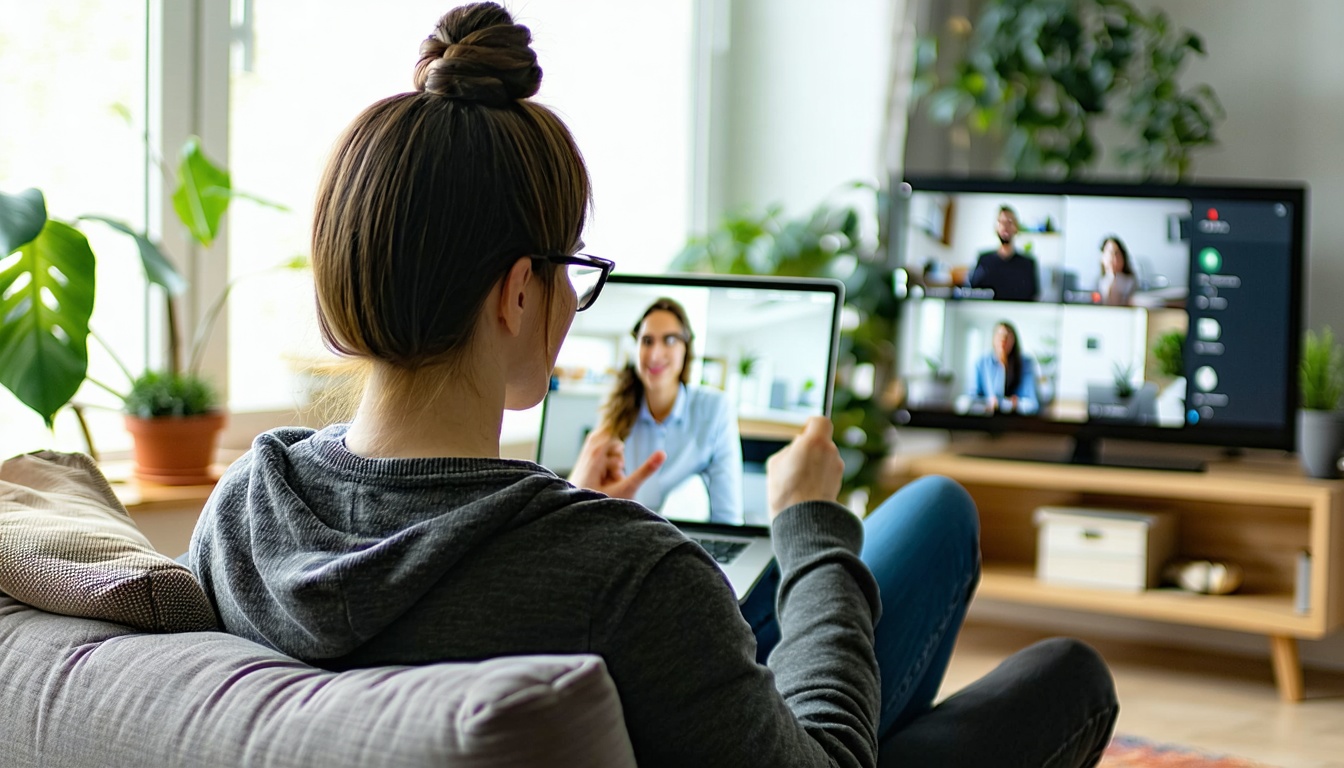
| Flexible Scheduling: We understand the importance of balancing your commitments, offering flexible appointment options including virtual consultations [8]. |
MindHealth MD is committed to providing you with the highest quality care in a compassionate and professional setting. If you’re exploring options to manage anxiety, consider the potential of TMS therapy at MindHealth MD. You can start your journey to recovery by scheduling a first time TMS consultation.
Trends in Anxiety Treatment
Research and Development
The landscape of anxiety treatment is rapidly evolving, with ongoing research focused on enhancing the efficacy of treatments available. Although there are FDA-approved medications and psychotherapies for anxiety disorders, studies reveal that only 60-85% of patients respond adequately to current treatments, and about half of responders actually achieve recovery [9].
New therapeutic approaches under investigation include neuropeptides, glutamatergic agents, and cannabinoids, which have shown promise for treating anxiety disorders. Specifically, ketamine, traditionally used as an anesthetic, is being explored for its potential to alleviate anxiety symptoms. Recent trials have highlighted its rapid and robust antidepressant effects, particularly for generalized anxiety disorder (GAD) and social anxiety disorder (SAD). Health professionals are optimistic about these novel treatments as they may provide additional options for individuals who don’t respond well to existing modalities.
Novel Medications
The advent of novel medications offers hope for individuals dealing with anxiety disorders. Among the first-line treatments for panic disorder, GAD, and SAD, selective serotonin reuptake inhibitors (SSRIs) and serotonin-norepinephrine reuptake inhibitors (SNRIs) continue to demonstrate efficacy. However, ongoing research is leading to the development of innovative alternatives such as:
| Medication Type | Description |
|---|---|
| Neuropeptides | New agents showing potential in modulating emotional responses. |
| Glutamatergic Agents | Medications like ketamine are being explored for their anxiolytic properties. |
| Cannabinoids | Substances like cannabidiol are under investigation for anxiety treatment. |
| Benzodiazepines | Commonly prescribed for short-term relief from anxiety symptoms. |
Studies also indicate that anticonvulsants, such as pregabalin and gabapentin, could provide anxiolytic effects and are being evaluated further for generalized anxiety. This continuous innovation in pharmacological options underscores the importance of involving a psychiatrist for anxiety to navigate these evolving treatment landscapes effectively.
As the field of anxiety treatment progresses, staying informed about new developments can help you or your loved ones make educated decisions regarding mental health care. If you are considering transcranial magnetic stimulation therapy as a treatment option, you may find this emerging trend can complement traditional therapies.
Seeking Help for Anxiety
Finding the right kind of support when dealing with anxiety is vital for your mental well-being. Engaging with a professional psychiatrist who specializes in anxiety can lead to effective treatment options.
Professional Support
A psychiatrist plays a crucial role in diagnosing and treating anxiety disorders. They have the expertise to evaluate your symptoms and develop a personalized treatment plan that may include psychotherapy, medication, or a combination of both. According to the Mayo Clinic, consulting with a psychiatrist can be particularly critical if your anxiety is severe or not responding to other treatments.
Moreover, mental health professionals like psychologists can also provide diagnostic assessments and counseling, but psychiatrists have the specific training to prescribe medications when necessary. This can be especially beneficial if you’re experiencing persistent anxiety symptoms that might require more comprehensive care.
| Type of Professional | Role |
|---|---|
| Psychiatrists | Diagnose and treat mental health disorders, prescribe medications |
| Psychologists | Provide counseling and therapy, conduct assessments |
If you feel that your anxiety has started to interfere significantly with your daily life, reaching out for professional support is a step towards recovery. For those who prefer medication management, the services provided by psychiatry telehealth services can also be a convenient option for initial consultations.
Holistic Treatment Approaches
In addition to professional medical advice, many individuals find that holistic approaches can complement their anxiety treatment. This may include lifestyle modifications, dietary changes, and alternative therapies. For those considering herbal remedies or dietary supplements, it is essential to consult with your doctor to ensure safety and avoid interactions with existing medications.
Common holistic treatments include:
- Mindfulness and Meditation: Practicing mindfulness can help you manage anxious thoughts effectively.
- Exercise: Regular physical activity can boost endorphins, which help to reduce stress and anxiety.
- Nutritional Adjustments: A balanced diet rich in vitamins and minerals can support mental health.
- Support Groups: Sharing experiences with others can provide comfort and understanding in your journey.
If you’re exploring drug-free options, look into natural depression treatment or non-invasive depression treatments such as Transcranial Magnetic Stimulation (TMS). This advanced therapy offers a promising alternative for those dealing with anxiety and depression without the use of medication.
Navigating through anxiety can be challenging, but with the right support systems—both professional and holistic—you can find a pathway to relief and healing. For a tailored approach, consider starting with an initial consultation to discuss your options with a psychiatrist accepting new patients.
References
- (NYC Psychiatric Associates)
- (Mayo Clinic)
- (NCBI)
- (transcranial magnetic stimulation therapy)
- (drug free depression treatment)
- (psychiatrist for anxiety)
- (tms treatment center)
- (virtual psychiatry appointment)
- (NCBI)