MindHealth MD TMS Services Overview
Understanding TMS Therapy
Transcranial Magnetic Stimulation (TMS) is an innovative non-invasive treatment for depression that utilizes magnetic fields to stimulate nerve cells in the brain. This therapy has demonstrated effectiveness, with studies showing that about 50% of patients experience improvement in their depression symptoms, and more than 30% achieve remission [1]. TMS therapy is especially beneficial for those seeking depression treatment without medication.
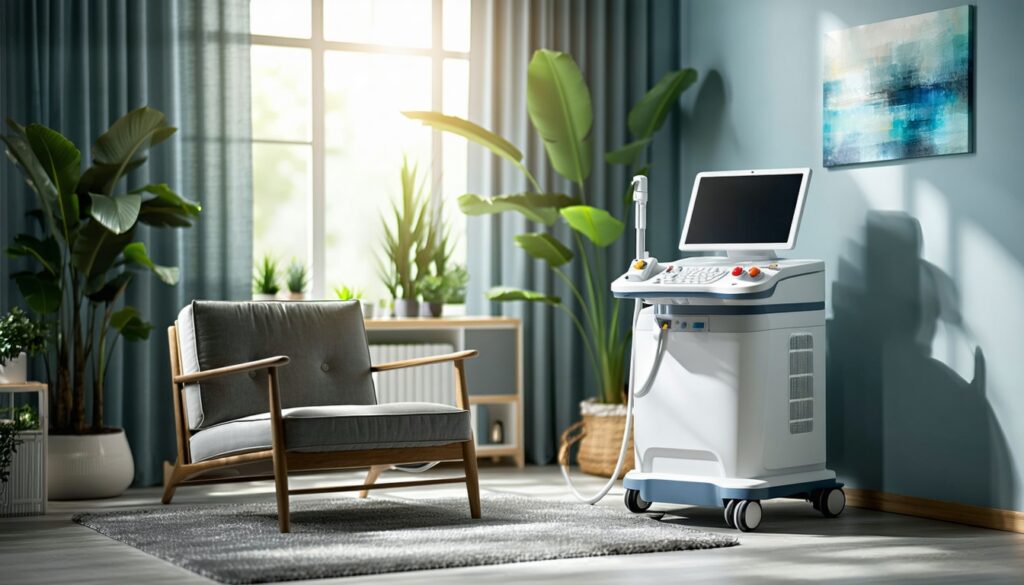
The procedure is typically painless and does not require anesthesia. During a session, an electromagnetic coil is placed on the patient’s scalp, delivering brief magnetic pulses to targeted areas. Each session lasts about 30 to 40 minutes and can be done in an outpatient setting. This treatment protocol allows you to return to your daily activities almost immediately after.
Benefits of MindHealth MD
MindHealth MD stands out as a leader in providing TMS services, offering numerous advantages for individuals considering this therapy.
-
Expert Consultation: At MindHealth MD, you can expect a thorough evaluation to determine if TMS is the right fit for you. Their dedicated team ensures that every patient receives personalized care.
-
High Success Rates: MindHealth MD implements cutting-edge techniques like the SAINT™ protocol, which has resulted in impressive response rates of nearly 85.7% and remission rates of around 78.6%, particularly beneficial for those dealing with treatment-resistant depression [1].
-
Comprehensive Treatment Options: Besides TMS, MindHealth MD provides access to additional therapies that can complement TMS, increasing overall efficacy and addressing the multifaceted nature of depression.
-
Supportive Environment: The clinic emphasizes a supportive and welcoming atmosphere, allowing you to feel comfortable during treatment. Their experienced staff is trained to assist in managing any concerns you may have, fostering a sense of community.
-
Insurance Acceptance: MindHealth MD strives to make TMS therapy accessible. They accept various insurance plans, ensuring that you receive the care you need without excessive financial burdens.
In essence, MindHealth MD offers a state-of-the-art approach to TMS therapy, combining a professional standard of care with innovative methodologies. For patients seeking an alternative to antidepressants, finding an effective, drug-free depression treatment might start here. You can learn more about the transcranial magnetic stimulation therapy they provide and take your first step toward recovery by scheduling your first-time TMS consultation.
Alternative Treatments for Depression
If you’re exploring options for depression treatment without medication, consider alternative therapies that have shown efficacy. Among these, nutrition, exercise, and talk therapy play vital roles in managing symptoms and enhancing overall mental health.
Nutrition and Depression
A balanced diet can significantly impact your mental health. Consuming whole foods like whole grains, vegetables, fruits, beans, fish, and lean meats helps stabilize blood sugar levels, which is crucial for mood stabilization. Such a diet may aid you in managing depression by promoting overall well-being.
Cutting out caffeine and added sugars may also provide relief for approximately 20% to 25% of individuals suffering from depression. By removing these substances from your diet for a couple of weeks, you may notice a significant improvement in your symptoms [2].
| Dietary Changes | Potential Impact |
|---|---|
| Whole foods diet | Stabilizes mood |
| Eliminating caffeine | Possible relief for 20-25% |
| Reducing added sugars | Improves mood |
Exercise as Depression Treatment
Regular physical activity is a potent non-drug approach to treating depression. Research indicates that exercise can be as effective as medication for some individuals. It stimulates biochemical changes in the brain, such as increased serotonin levels, which can alleviate depressive symptoms [2].
A meta-analysis from 2018 revealed that individuals with major depression who engaged in moderate-intensity aerobic exercise for at least two months experienced greater antidepressant effects compared to those who did little to no exercise [3].
| Exercise Types | Benefits |
|---|---|
| Aerobic exercise | Lowers symptoms of anxiety, improves sleep |
| Moderate-intensity | Strong antidepressant effects |
Talk Therapy for Depression
Cognitive-behavioral therapy (CBT) and interpersonal therapy are effective forms of talk therapy for treating depression. CBT helps you identify and alter negative thought patterns and behaviors that contribute to your condition. Interpersonal therapy focuses on enhancing relationships to support emotional health.
Combining these therapies with other treatments, such as TMS, may provide a comprehensive approach for long-term management of depression.
| Type of Therapy | Focus | Benefits |
|---|---|---|
| Cognitive-behavioral therapy (CBT) | Negative thoughts | Improved emotional regulation |
| Interpersonal therapy | Relationships | Enhanced emotional well-being |
Embracing alternative treatments can be an effective strategy in managing your depression. Explore options that suit your lifestyle and preferences, and don’t hesitate to discuss these with a healthcare professional for optimal results.
Efficacy of Transcranial Magnetic Stimulation
Transcranial Magnetic Stimulation (TMS) stands out as a promising option for those seeking depression treatment without medication. Understanding its efficacy can help you make an informed decision about your mental health care.
TMS Success Rates
TMS has demonstrated substantial effectiveness in treating depression. Research indicates that this therapy shows improvement in symptoms for about 50% of patients. Remarkably, over 30% of patients achieve complete remission from their depressive symptoms. When TMS is combined with psychotherapy, these success rates increase considerably. The response rates rise to approximately 66%, while remission rates are around 55% [1].
| Measure | TMS Alone | TMS + Psychotherapy |
|---|---|---|
| Response Rate | ~50% | ~66% |
| Remission Rate | ~30% | ~55% |
SAINT™ Protocol for Depression
The SAINT™ protocol, an advanced method of accelerated TMS, showcases even higher success rates. With this technique, around 85.7% of patients experience significant responses to treatment, and about 78.6% meet the criteria for remission. This is particularly noteworthy for individuals who are dealing with treatment-resistant depression and have not found relief from multiple previous treatments. The SAINT™ protocol represents a significant leap forward in TMS techniques, offering hope to those who may have exhausted other options.
| Measure | SAINT™ Protocol |
|---|---|
| Response Rate | 85.7% |
| Remission Rate | 78.6% |
TMS therapy, especially when employing advanced techniques like the SAINT™ protocol, can provide effective, non-invasive solutions for those seeking alternatives to traditional antidepressants. If you or a loved one are exploring options, consider reaching out to a professional TMS therapy provider to discuss these innovative treatments further. For more information on how TMS operates, you can visit our page on transcranial magnetic stimulation therapy.
Cutting-Edge TMS Techniques
As you explore innovative treatments for managing depression, you may find that MindHealth MD offers advanced TMS techniques that stand out in the field of depression treatment without medication. Among these, Accelerated TMS Therapy and Intermittent Theta-Burst Stimulation (iTBS) represent some of the most promising approaches available today.
Accelerated TMS Therapy
Accelerated TMS Therapy utilizes the Intermittent Theta-Burst Stimulation technique, which has been shown to be effective and fast-acting for individuals experiencing depression, especially those with treatment-resistant cases. This advanced method focuses on precise coil placement over the affected brain regions, allowing for more targeted treatment.
Studies indicate that Accelerated TMS Therapy is a compelling alternative to traditional methods such as standard repetitive TMS (rTMS) and Electroconvulsive Therapy (ECT). The treatment has demonstrated high response rates and remission outcomes, making it an attractive option for those seeking relief from depressive symptoms [4].
| Metric | Response Rate | Remission Rate |
|---|---|---|
| Accelerated TMS Therapy | 85.7% | 78.6% |
Intermittent Theta-Burst Stimulation
Intermittent Theta-Burst Stimulation is a newer method that has gained attention for its speed and efficiency. Research has shown that patients undergoing iTBS can often complete treatments in a shorter time frame while still achieving significant therapeutic effects. This technique is designed to stimulate the brain using bursts of magnetic energy delivered in a specific pattern, which enhances the overall effectiveness of the treatment.
The effectiveness of this approach is particularly relevant for individuals with treatment-resistant depression who have not responded well to conventional treatments. By utilizing a fast-acting protocol like iTBS, MindHealth MD aims to provide those struggling with depression a better chance for positive outcomes.
| Metric | Description |
|---|---|
| Fast Treatment Duration | Shorter sessions compared to traditional TMS |
| Targeted Brain Stimulation | Enhanced efficiency with fewer sessions |
These cutting-edge techniques represent the evolving landscape of depression management. Accelerated TMS Therapy and Intermittent Theta-Burst Stimulation are at the forefront of innovative approaches at MindHealth MD, ensuring that you or a loved one can pursue effective depression treatment without medication. For more information about the benefits and application of TMS, consider reviewing our resources on transcranial magnetic stimulation therapy or the non-invasive depression treatment options available.
MindHealth MD vs. Traditional Treatments
As you explore options for depression treatment without medication, it’s essential to understand how Transcranial Magnetic Stimulation (TMS) at MindHealth MD compares to traditional treatments, particularly antidepressants and psychotherapy.
TMS vs. Antidepressants
Antidepressant medications primarily target neurotransmitters in the brain, but research shows they only relieve symptoms in approximately one-third of patients who take them. This highlights the need for effective alternatives, especially for individuals who have tried multiple medications without success.
| Treatment Type | Success Rate | Notes |
|---|---|---|
| Antidepressants | ~33% | Effective for some; not all patients respond |
| TMS Therapy | ~85.7% (SAINT™ Protocol) | High response and remission rates, particularly for treatment-resistant cases |
By choosing TMS, you are opting for an evidence-based alternative that can provide significant relief for those struggling with depression, particularly when traditional medications have failed.
TMS Combined with Psychotherapy
Integrating TMS therapy with psychotherapy, particularly Cognitive Behavioral Therapy (CBT), offers a powerful approach to managing depression. CBT is recognized as the most effective form of psychotherapy for depression, demonstrating a response rate between 61% to 87%.
| Treatment Method | Combined Effectiveness | Notes |
|---|---|---|
| TMS + CBT | Higher overall effectiveness | TMS addresses biological factors while CBT tackles psychological aspects |
| TMS only | Effective but limited to brain stimulation | Ideal for immediate symptom relief |
Combining TMS with psychotherapy can enhance treatment outcomes, as you benefit from both the biological and psychological aspects of depression management. This holistic approach may be particularly beneficial if you seek more than just symptom relief. The synergistic effects can significantly improve your quality of life and mental well-being.
Ultimately, MindHealth MD offers you an innovative alternative to conventional treatments, helping you or your loved one find the right path to recovery. If you’re interested in learning more about how TMS works, be sure to check out how does TMS therapy work.
Lifestyle Modifications for Depression
Enhancing your mental well-being can involve various lifestyle changes. Two significant areas to focus on are maintaining a healthy diet and incorporating physical activity into your routine.
Healthy Diet and Mood
Your diet plays a crucial role in your overall mental health. A healthy eating plan rich in whole foods—such as whole grains, vegetables, fruits, beans, fish, and lean meats—can stabilize blood sugar levels and positively impact your mood. According to WebMD, such a diet can be particularly beneficial for individuals dealing with depression.
| Food Group | Examples | Benefits |
|---|---|---|
| Whole Grains | Brown rice, quinoa | Stabilizes blood sugars |
| Vegetables | Spinach, broccoli | Provides nutrients and fiber |
| Fruits | Berries, bananas | Rich in vitamins and antioxidants |
| Beans | Lentils, chickpeas | High in protein and fiber |
| Fish | Salmon, sardines | Omega-3 fatty acids reduce inflammation |
| Lean Meats | Chicken, turkey | Essential for neurotransmitter production |
Additionally, reducing your refined sugar intake is beneficial. A 2017 study indicated that men consuming high amounts of sugar were 23% more likely to be diagnosed with depression compared to those with lower sugar intake. Keeping a balanced diet helps in maintaining emotional stability, particularly important for those experiencing symptoms of depression.
Importance of Physical Activity
Regular exercise is a powerful tool in managing depression. It not only helps improve mood but also reduces stress and anxiety. Engaging in physical activity leads to the release of endorphins, often referred to as “feel-good” hormones. Aerobic exercise has shown a particularly strong antidepressant effect, making it an effective strategy for those with mild depression [3].
| Type of Exercise | Benefits |
|---|---|
| Aerobic Exercise | Reduces anxiety and boosts energy levels |
| Strength Training | Improves self-esteem and body image |
| Yoga | Enhances relaxation and emotional regulation |
| Walking | Increases mood and social interaction |
Incorporating exercise into your daily routine can significantly enhance your recovery process and improve your mental health overall. It’s not only about the physical benefits; exercise can lead to improved sleep quality and increased energy levels, further supporting your mental well-being.
If you’re seeking additional support or alternatives to traditional treatments, consider exploring options like TMS therapy, which offers depression treatment without medication. Combining these lifestyle modifications with therapies can set you on a path to reclaiming your joy.